
How to Personalize Lighting for Every Room in Your Home
Lighting plays a crucial role in shaping the atmosphere and functionality of your home. Personalizing lighting for each room can transform your living space, making it more comfortable, stylish, and suited to your daily activities. Whether you want a cozy reading nook, a bright kitchen workspace, or a relaxing bedroom ambiance, the right lighting can make all the difference. This guide will walk you through practical tips and ideas to customize lighting in every room effectively.
Understanding the Importance of Custom Lighting in Your Home
Custom lighting is not just about choosing pretty fixtures. It’s about tailoring light to fit the unique needs of each space. Different rooms serve different purposes, so their lighting requirements vary. For example, a kitchen needs bright, focused light for cooking, while a living room benefits from softer, adjustable lighting for relaxation and socialising.
When you personalise lighting, you consider factors such as:
Room function: What activities take place here?
Natural light availability: How much daylight does the room get?
Room size and layout: How big is the space and where will light fixtures go?
Style and mood: What atmosphere do you want to create?
By addressing these points, you can create a lighting plan that enhances both the look and usability of your home.

Custom Lighting Ideas for Different Rooms
Living Room: Layered Lighting for Versatility
The living room is often the heart of the home, used for relaxing, entertaining, and sometimes working. To accommodate these activities, use a combination of:
Ambient lighting: Ceiling fixtures or recessed lights provide overall illumination.
Task lighting: Floor lamps or table lamps near seating areas for reading or hobbies.
Accent lighting: Spotlights or LED strips to highlight artwork or architectural features.
Dimmers are a great addition here, allowing you to adjust brightness according to the time of day or mood.
Kitchen: Bright and Functional Illumination
Kitchens require bright, shadow-free lighting to ensure safety and efficiency. Consider:
Overhead lighting: Bright ceiling lights or LED panels for general illumination.
Under-cabinet lights: These reduce shadows on work surfaces.
Pendant lights: Stylish fixtures over islands or breakfast bars add character and focused light.
Choose bulbs with a high colour rendering index (CRI) to make food look fresh and appealing.

Bedroom: Soft and Soothing Light
Bedrooms should feel restful and inviting. Use lighting that promotes relaxation:
Warm ambient lighting: Soft ceiling lights or wall sconces with warm bulbs.
Bedside lamps: Adjustable lamps for reading without disturbing a partner.
Mood lighting: String lights or smart bulbs that can change colour and intensity.
Avoid harsh, bright lights in the bedroom to help signal your body it’s time to wind down.
Bathroom: Bright and Clear Lighting
Bathrooms need bright, clear light for grooming and hygiene tasks. Focus on:
Vanity lighting: Lights around the mirror that eliminate shadows on your face.
Ceiling lights: Bright, moisture-resistant fixtures for overall illumination.
Accent lighting: Subtle LED strips near the floor or in niches for a spa-like feel.
Choose fixtures rated for damp environments to ensure safety and durability.
How to Choose the Right Fixtures and Bulbs
Selecting the right fixtures and bulbs is key to achieving your desired lighting effect. Here are some tips:
Fixture style: Match the fixture design to your room’s decor for a cohesive look.
Bulb type: LED bulbs are energy-efficient and long-lasting. Choose the right colour temperature:
- Warm white (2700K-3000K) for cozy spaces.
- Cool white (3500K-4100K) for work areas.
- Daylight (5000K-6500K) for task lighting.
Brightness: Measured in lumens, choose brightness based on room size and function.
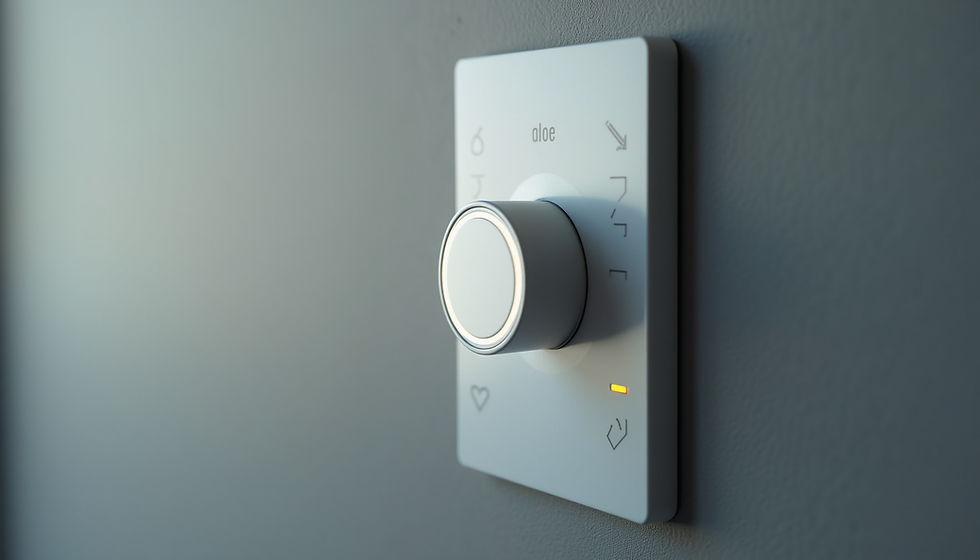
Dimmers and controls: Installing dimmers or smart controls adds flexibility and energy savings.

Tips for Installing and Maintaining Your Lighting
Proper installation and maintenance ensure your lighting performs well and lasts long:
Plan your layout: Sketch where each light will go before installation.
Hire professionals: For complex wiring or custom fixtures, use qualified electricians.
Use quality materials: Invest in good fixtures and bulbs to avoid frequent replacements.
Clean regularly: Dust and dirt reduce light output; clean fixtures and bulbs periodically.
Replace bulbs promptly: Swap out burnt-out bulbs to maintain consistent lighting.
By following these steps, you keep your home well-lit and inviting.
Enhancing Your Home’s Atmosphere with Personalised Lighting
Personalising lighting in your home is a rewarding way to improve comfort, style, and functionality. By understanding the needs of each room and choosing the right fixtures, bulbs, and controls, you can create a space that feels just right for you. Whether you prefer bright, energising light or soft, calming glows, custom lighting lets you set the perfect mood.
Explore options like layered lighting, dimmers, and smart controls to make your home adaptable to every occasion. And if you want something truly unique, a custom lighting design can bring your vision to life with bespoke solutions tailored to your space.
Start personalising your home’s lighting today and enjoy the difference it makes in your daily life.


Comments